
Emergency Steps When You Find Water in Your Attic
Emergency Steps When You Find Water in Your Attic
The first 30 minutes after finding attic water matter more than people realize — both for limiting damage and for protecting an insurance claim. Here’s exactly what to do, in order.
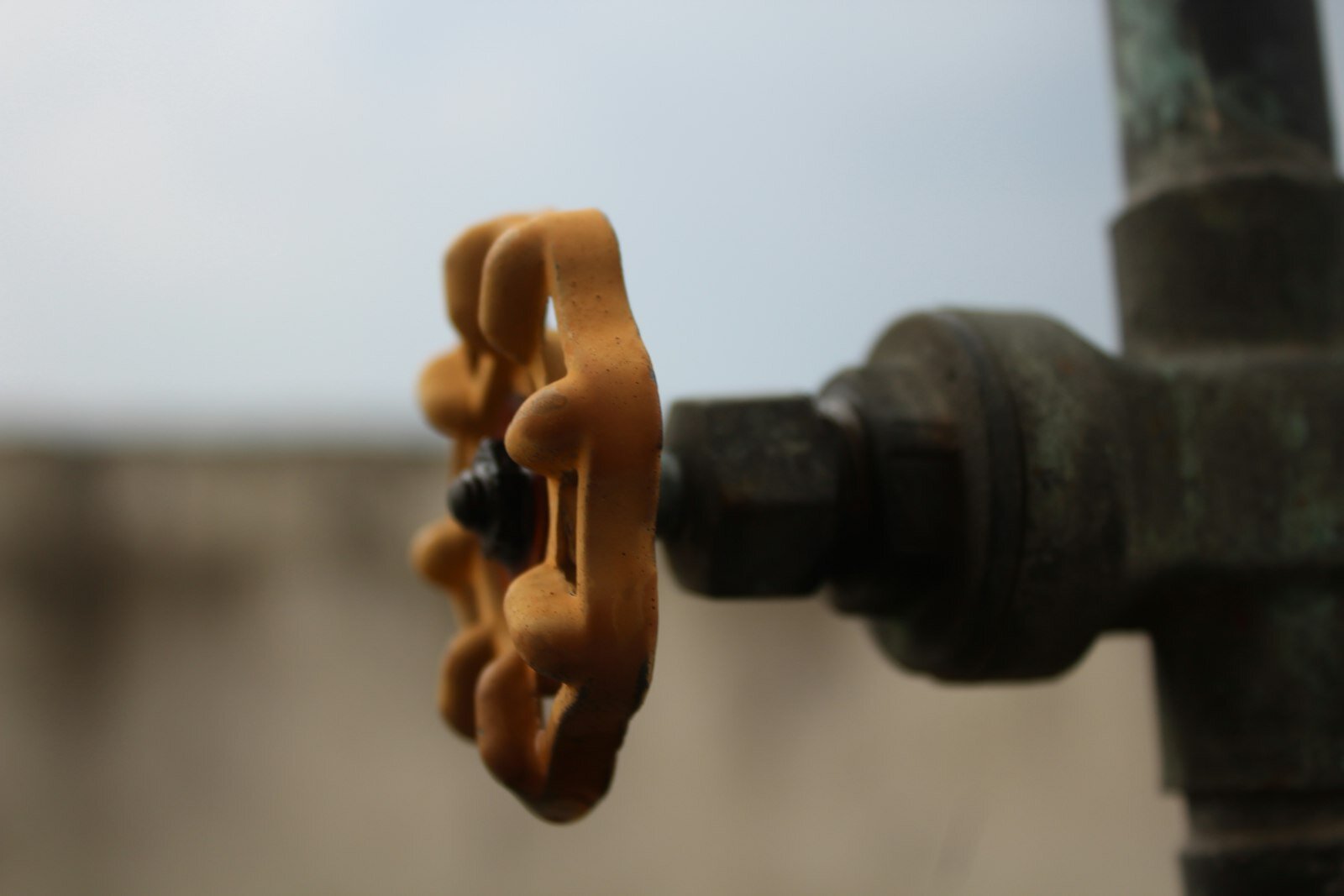
1. Shut Off the Source — Only If It’s Safe to Reach
If you can identify and safely reach the source — a shutoff valve for a supply line, for example — turn it off. Don’t climb into the attic in Phoenix summer heat to chase a source, and don’t attempt anything near an active electrical hazard. If it’s not obviously safe and quick, skip this step and move to the next one.
2. Do Not Run a Shop Vac Near Outlets or Wiring
Standing water and electrical outlets or exposed wiring in the attic are a real shock hazard. If you’re not certain the area is electrically safe, don’t attempt DIY water extraction yourself — wait for a professional with the right equipment.
3. Photograph Everything Before You Touch Anything
Before any cleanup, take photos and video of the stain, the wet area, and anything visible through the attic access. This matters more than most homeowners realize — it’s the first piece of documentation establishing when the damage was found, which becomes important if you end up filing an insurance claim.
4. Call for a Same-Day Inspection
Drying windows shrink fast in Phoenix heat — attics regularly exceed 120°F in summer, and mold can begin developing in wet insulation or drywall in under 48 hours. Tell whoever you call that it’s an active leak so the response can be prioritized accordingly.
5. Avoid Turning On Ceiling Fixtures in the Affected Room
If a ceiling stain is directly below the leak, avoid running any ceiling fan or light fixture in that area until it’s been inspected — water intrusion near electrical fixtures is a real risk, not a theoretical one.
What Happens During a Professional Inspection
- The attic gets inspected first, before anyone touches the roof or assumes a cause
- The source and water category get identified before any repair work begins
- Moisture readings and thermal imaging document the extent of the damage
- Extraction and drying start immediately once the source is addressed
→ How to spot the warning signs before water spreads
→ What does repair cost? See our 2026 cost guide
Frequently Asked Questions
Should I try to dry it out myself first?
For a small, contained area away from any electrical risk, basic airflow (fans, open windows) can help temporarily. For anything larger, or anything near wiring, wait for a professional — improper drying can seal in moisture and cause it to look fine on the surface while mold develops underneath.
How fast does mold actually develop?
In a Phoenix attic’s heat, mold can begin developing in wet material in under 48 hours — significantly faster than the standard multi-day window in cooler climates.
What if I can’t find the source?
That’s normal and expected — identifying the actual source is exactly what a professional inspection is for. Don’t delay calling just because you can’t pinpoint it yourself.
Active Leak Right Now?
Tell us when you call — we’ll prioritize the response and get someone out to inspect the same day.