
Attic Water Damage Restoration in Scottsdale, AZ
Custom and resort-style homes across Scottsdale bring their own attic water risks — tile roofing, larger HVAC systems, and older custom-built sections that don’t match modern code. We inspect the attic first, every time, before touching your roof or your wallet.
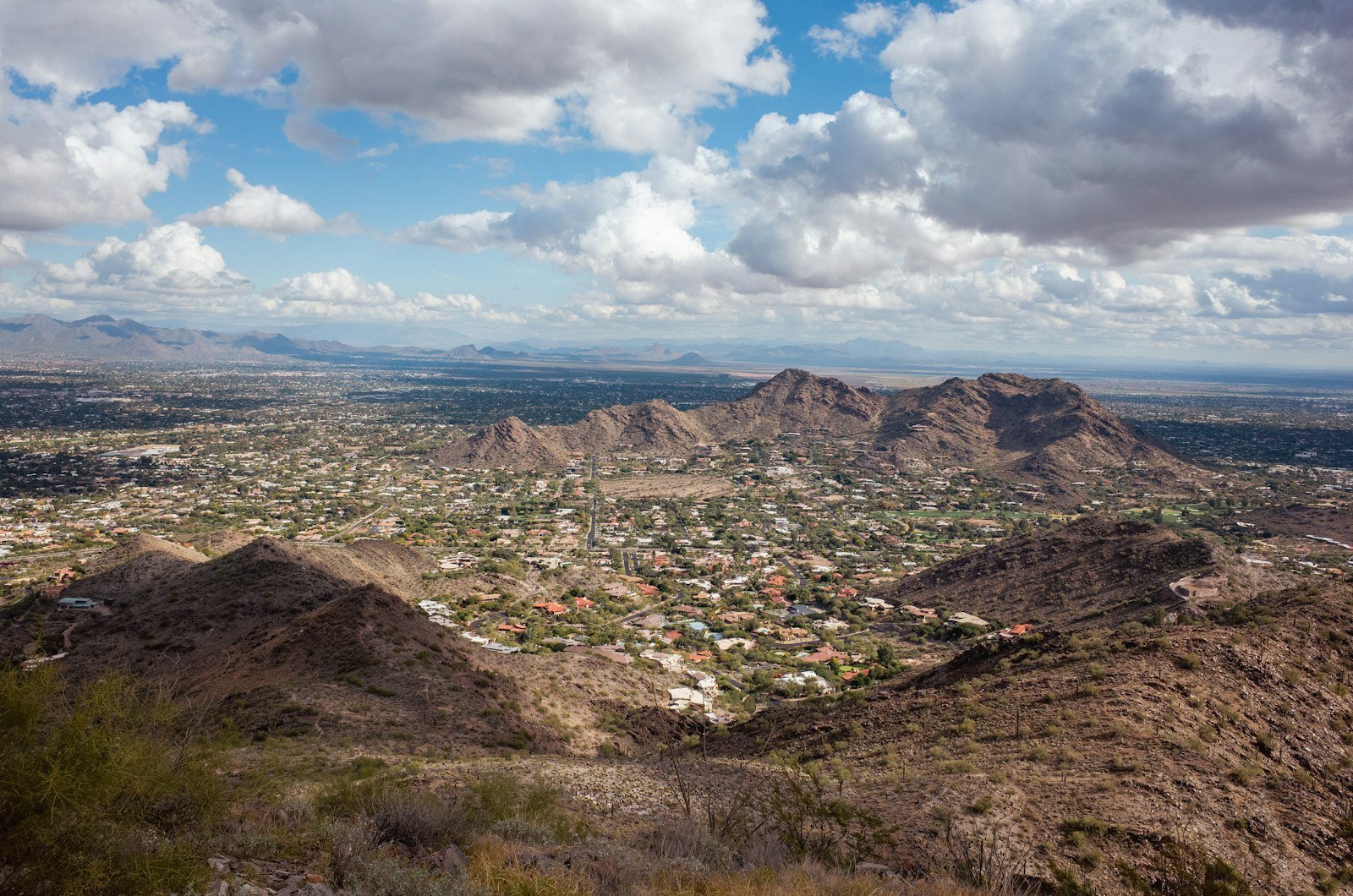
Why Scottsdale Attics Are Different
Scottsdale’s mix of resort-community homes and custom-built properties near the Camelback corridor and North Scottsdale means a wider range of roofing systems than most Valley cities — tile, foam, and flat sections often on the same property. Larger homes also mean larger, sometimes multi-zone AC systems, each with its own condensate line that can fail independently.
Older custom homes built before more recent tile underlayment standards are especially prone to slow leaks that go unnoticed for months, since a well-built tile roof can look flawless from the ground while the underlayment beneath has already failed.
What We See Most in Scottsdale Homes
- AC condensate failures in multi-zone systems — larger homes often run 2-3 separate AC units, each a potential source
- Tile underlayment failure on older custom builds, especially homes 15+ years old near North Scottsdale and the Camelback corridor
- Monsoon wind-driven intrusion around custom rooflines, dormers, and multiple roof planes that create more vents and penetration points than a standard tract home
Scottsdale Neighborhoods and Their Typical Attic Problems
Scottsdale stretches more than 30 miles from south to north, and the homes change a lot along the way. The attic problems change with them.
- South Scottsdale (85251, 85257). Many homes here are ranch houses from the 1950s through the 1970s. Low-slope and flat roof sections with foam or built-up coatings are common, along with original or partly updated plumbing. Leaks tend to show up where a flat section meets a pitched one, or around old roof-mounted AC curbs.
- McCormick Ranch, Gainey Ranch and Scottsdale Ranch (85258, 85260). These master-planned areas were mostly built from the 1970s into the 1990s, and many homes still have their first concrete tile roof. The tiles can last for decades, but the underlayment beneath them is often at or past the end of its life, so slow leaks into the attic are a common problem here.
- North Scottsdale (85255, 85259, 85262), including DC Ranch, Grayhawk, McDowell Mountain Ranch and Troon. Larger homes from the 1990s onward often have two or three AC air handlers in the attic, long condensate lines, and complex rooflines with many valleys and penetrations. A clogged condensate line or a failed drain pan can soak insulation for weeks before a ceiling stain appears.
Why Tile Roof Leaks Hide in Scottsdale Attics
On a concrete or clay tile roof, the tiles shed most of the rain, but the real waterproofing layer is the underlayment beneath them. In the Arizona sun and heat, that underlayment dries out, cracks and tears long before the tiles look worn. Water then gets past the tiles, runs along the deck and drips into the attic at a nail hole or seam, often far from where it entered.
That is why a roof can look perfect from the street while the insulation below is wet. We check the attic side first, follow the water trail back to its source with moisture meters and thermal imaging, and only then tell you whether the problem is the roof, the AC, or plumbing.
Monsoon Season Leaks in Scottsdale
Arizona’s monsoon season officially runs from June 15 to September 30. Scottsdale storms often bring strong wind, short bursts of very heavy rain and blowing dust. Wind-driven rain gets pushed sideways under tiles, flashing and roof vents, and dust can clog the scuppers and drains on flat roof sections so water ponds and finds a seam. If you notice a new stain or musty smell after a storm, check the attic within a day or two. Read more in our guide to monsoon roof leaks and attic water damage.
HOA Homes and Townhomes: Who Pays for What?
Many Scottsdale homes sit inside an HOA. In some communities, especially townhomes and condos, the association is responsible for the roof while the owner is responsible for the interior. In others, the owner covers everything. Your CC&Rs decide this, not the contractor. Before any repair, we document the source, the wet areas and moisture readings with photos so you can show your HOA or insurer exactly where the water came from and what it damaged.
What to Do Right Now if Water Is Coming Through
- If the water is near an AC vent or the air handler, turn the AC off at the thermostat.
- If it looks like a plumbing leak, shut off the main water valve.
- Move furniture and electronics, and keep people away from any ceiling that is sagging.
- Take photos and video before anything is cleaned up.
- Call us for a free inspection. Our emergency steps guide covers the rest.
Areas We Cover in Scottsdale
We respond throughout Scottsdale, including 85251, 85254, 85255, 85258, and 85260 — from South Scottsdale near Indian Bend Wash up through North Scottsdale.
How We Work
- Same-day inspection when it’s an active leak
- Attic inspected first, before anyone touches the roof or quotes a repair
- Documented moisture readings and thermal imaging on every job — useful if you need to document a claim
- Firm, written pricing after we’ve actually seen the attic, not a phone-quote guess
Frequently Asked Questions
Do you service custom and resort-community homes in Scottsdale?
Yes. Custom builds, multi-zone HVAC systems and mixed tile, foam and flat roofs are exactly what we inspect for in Scottsdale homes.
My roof looks fine — could it still be the source?
Yes. Tile roofs can look completely intact while the underlayment underneath has failed, especially on older custom homes. We check both the roof and the more common causes — AC condensate and plumbing — before assuming anything.
How fast can someone come out?
We prioritize active leaks and aim for same-day inspection across Scottsdale.
Does homeowners insurance cover attic water damage in Scottsdale?
It depends on the cause. Sudden, accidental damage, such as a burst pipe or a failed AC drain pan, is often covered. Damage from a slow leak or worn-out roof underlayment is often excluded as wear and tear. Your policy decides, so document everything early. Our insurance claims guide explains what adjusters look for.
Can wet attic insulation lead to mold?
Yes. Wet insulation and wood in a hot attic can start growing mold within a couple of days. Drying the attic quickly and fixing the source is the best way to prevent it. If mold has already started, see our attic mold removal page.
Attic Water Damage in Scottsdale?
Free on-site inspection, same-day response for active leaks.
Call for helpCall (602) 858-8471