
Attic Water Damage vs. Roof Leak: How to Tell the Difference
Attic Water Damage vs. Roof Leak: How to Tell the Difference
“It’s probably the roof” is the most common assumption we hear — and it’s wrong more often than people expect. Here’s how to think about what’s actually happening before assuming a cause.
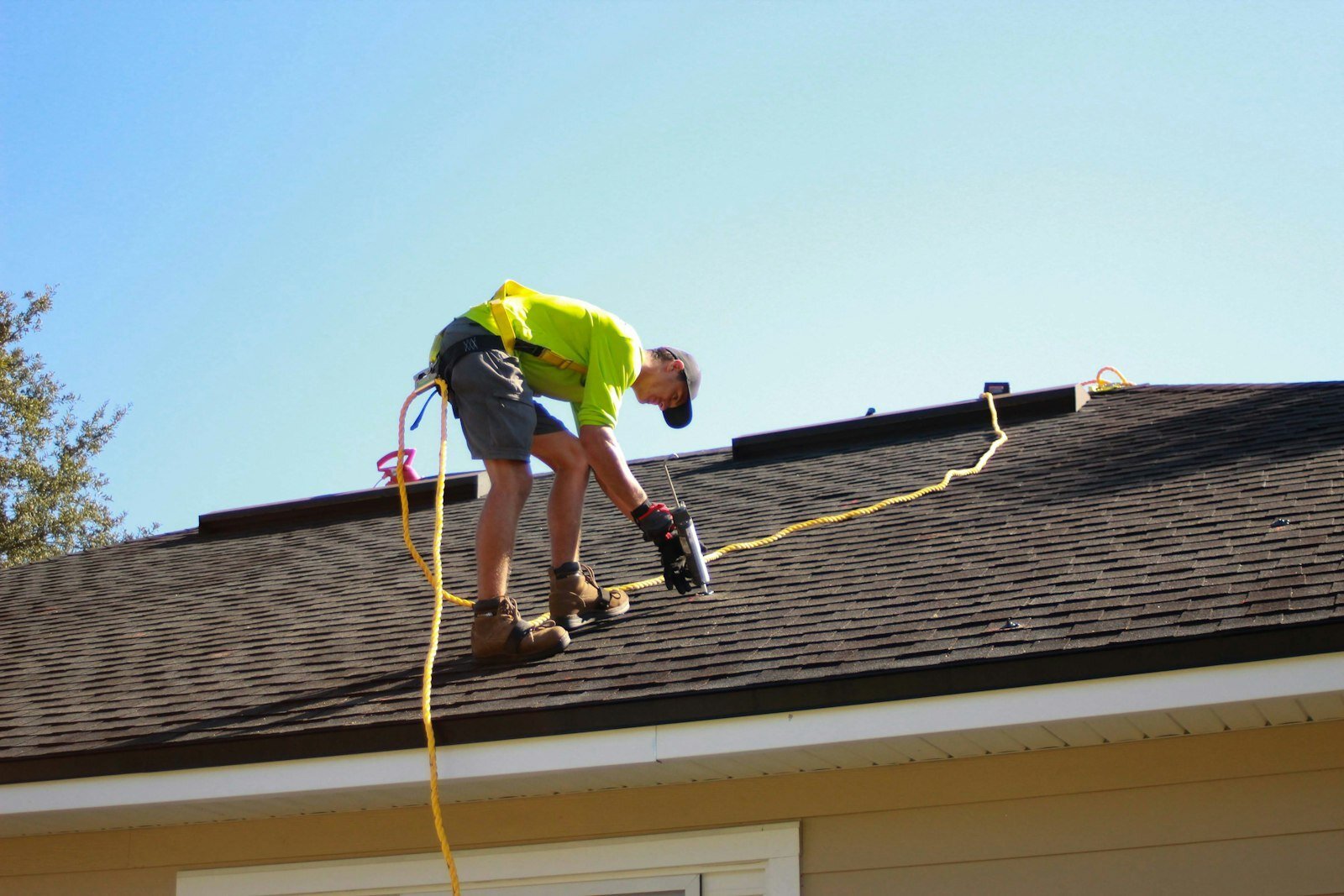
Why the Roof Gets Blamed First
It’s an intuitive assumption — water in the attic, and the roof is the thing between the attic and the outside. But in our experience across Phoenix homes, AC condensate line failure is actually the more common cause overall. Both can produce a very similar-looking ceiling stain, which is exactly why guessing based on the stain alone is unreliable.
Clues That Point to the Roof
- Timing tied to a storm — a stain that appeared or grew shortly after a monsoon storm suggests wind-driven rain intrusion or a roofing failure exposed by the storm
- Location near roof penetrations — vents, chimneys, or skylights are common failure points for roof-related leaks
- Visible signs at the roofline — though a tile roof can look intact from the ground while the underlayment beneath has already failed
Clues That Point to AC Condensate
- No connection to weather — a stain that appears or grows on a clear, dry day is very unlikely to be roof-related
- Location near the air handler or ductwork — condensate issues typically show up in this specific area of the attic, not spread across the whole roofline
- Gradual appearance over time — condensate line clogs often develop slowly as mineral buildup accumulates, rather than appearing suddenly
Other Causes Worth Ruling Out
Beyond roof and AC, a slab leak repipe routed through the attic, or a water heater installed in the attic, are both less obvious but genuinely possible causes — particularly if your home has a documented history of slab leak repair or has an attic water heater installation.
Why Guessing Is Risky
Repairing the wrong thing doesn’t fix the leak, and it doesn’t just cost you the price of an unnecessary repair — the actual source keeps causing damage the entire time it goes unaddressed. This is also relevant for insurance: documentation that correctly identifies the actual cause matters if you end up filing a claim.
How We Actually Diagnose It
Rather than guessing from the stain, we inspect the attic directly — checking the AC system, roof underlayment and penetrations, and any plumbing that runs through the space — and use moisture readings and thermal imaging to trace the actual water path rather than assuming based on where the ceiling stain appeared.
→ What to do first when you find water in the attic
→ All the warning signs to look for
→ More questions answered in our full FAQ
Frequently Asked Questions
Can I tell the difference myself before calling someone?
The clues above can give you a reasonable guess, but confirming the actual source reliably requires an inspection with moisture readings, since water can travel along framing before showing up as a stain.
What if it turns out to be both?
It happens — an older home can have both an aging roof and aging AC equipment, and it’s possible for more than one issue to be present. A full inspection accounts for this rather than stopping at the first plausible cause.
Does the cause affect whether insurance covers it?
Yes, though not based on which cause it is specifically — what matters is whether the damage is classified as sudden or gradual. See our insurance claims guide for that distinction.
Not Sure What’s Causing Your Leak?
Free on-site inspection — we find the actual source before quoting anything.