
Attic Inspection Checklist for Phoenix Homeowners
Attic Inspection Checklist for Phoenix Homeowners
A quick seasonal look through your attic access panel can catch a developing problem months before it becomes a ceiling stain. Here’s what to actually check.
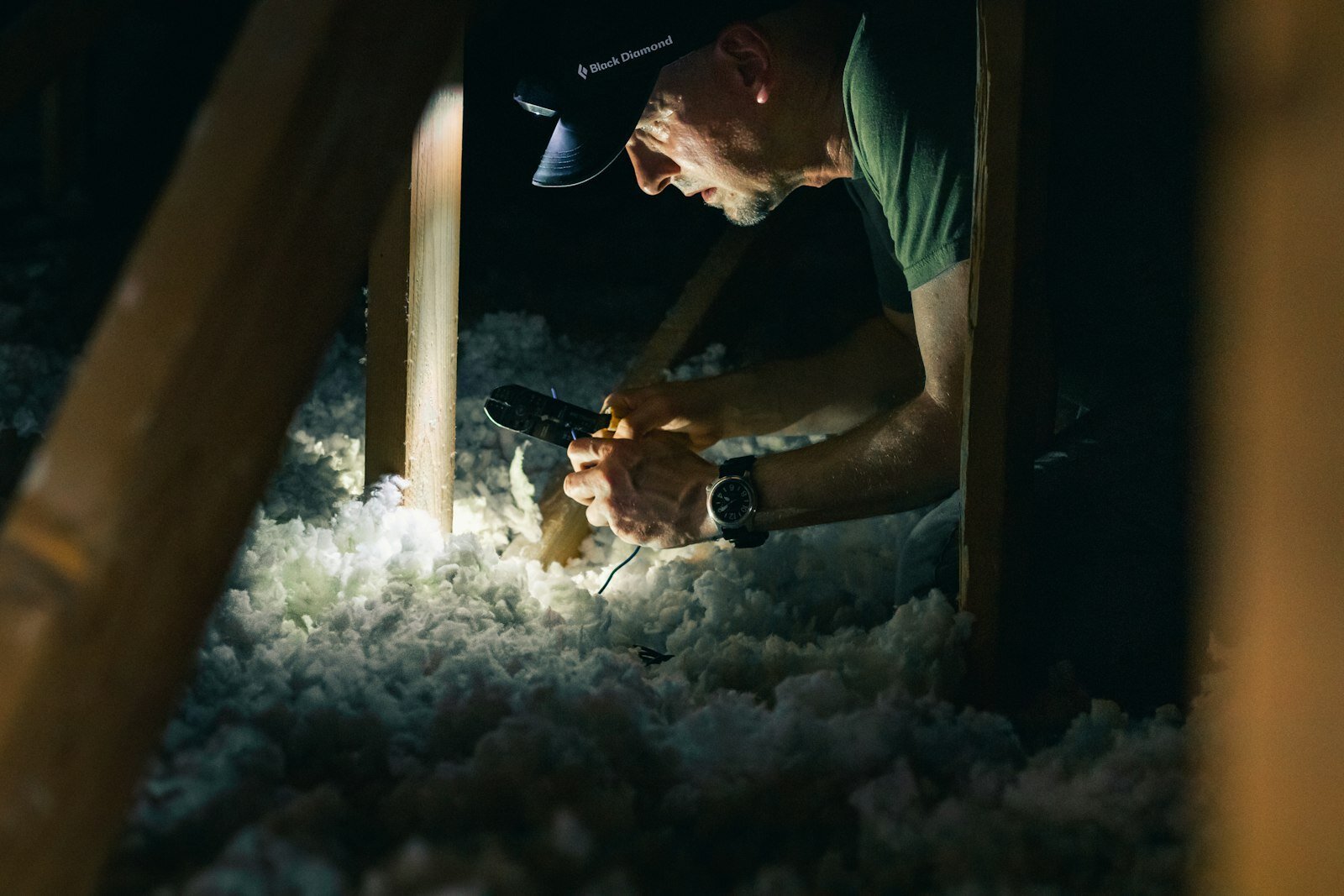
Before You Start
Phoenix attics can exceed 130°F in summer, so do this check in the early morning or evening, and don’t spend longer than a few minutes at a time. A flashlight and a moment at the access panel is usually enough — you don’t need to climb in fully to spot the signs below.
What to Look For
- Discoloration on insulation — dark or stained patches, especially compared to the surrounding insulation color
- Visible moisture or dampness on framing, decking, or insulation
- A musty smell as soon as you open the access panel, even without anything visibly wrong
- Sagging insulation or drywall from below, visible either in the attic or as a ceiling irregularity in the room below
- Condition around the AC air handler and ductwork, since this is the most common source — check for any staining on nearby insulation
- Daylight visible through the roof deck, which indicates a gap that could allow water intrusion during a storm
When to Check
Twice a year is a reasonable baseline: once before monsoon season begins in mid-June, and once after it ends in late September. A pre-monsoon check catches roof issues before storm season tests them; a post-monsoon check catches anything that happened during the season before it’s had months to develop into mold.
What to Do If You Find Something
Don’t wait to see if it gets worse. Take a photo of what you found for reference, note roughly where it is relative to the access panel, and call for an inspection. In Phoenix’s heat, a small amount of moisture can become a mold issue within 48 hours, so early action makes a meaningful difference in both damage extent and repair cost.
What a Professional Inspection Adds
A homeowner check is useful for catching obvious signs, but a professional inspection goes further — moisture meters detect dampness that isn’t yet visible, and thermal imaging can trace water paths that aren’t obvious from a visual check alone. If your own check raises any concern, a professional inspection is the reliable next step.
→ Recognizing the warning signs early
→ Found water? Emergency steps to take now
→ What does repair cost in Phoenix?
Frequently Asked Questions
Do I need special equipment to check my own attic?
A flashlight is really all you need for a basic visual check. Moisture meters and thermal imaging are professional tools that go beyond what a homeowner check can catch.
Is it safe to walk around in my attic?
Stick to walking on joists or a designated walkway if your attic has one — stepping directly on insulation-covered drywall can be unsafe. If you’re not comfortable doing this, a visual check from the access panel is sufficient for a routine seasonal check.
What if I don’t find anything but I’m still concerned?
A visual check doesn’t catch everything, especially deeper moisture. If you have specific concerns — a rising water bill, an old water heater, a history of slab leaks — a professional inspection is worth considering even without visible signs.
Want a Professional Inspection Instead?
Free on-site inspection, same-day response for active leaks.